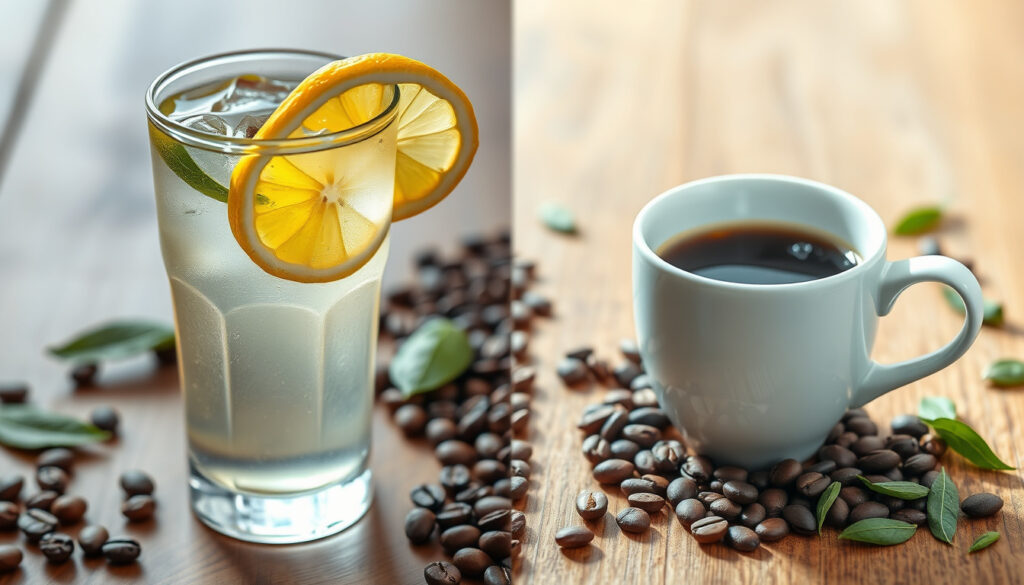
Tea vs Coffee Benefits: Which Is Healthier? Science Data
If you’ve ever stood in front of your kitchen counter debating whether to brew coffee or steep tea, you’re not alone. Research from the UK Biobank with over 400,000 participants shows both beverages are linked to a 10–15% lower risk of all-cause mortality when consumed in moderation, but the real answer depends on your genetics, health conditions, and time of day.
Antioxidant content (ORAC per 100ml): Coffee: 350–550; Green tea: 200–300 · Caffeine per 8 oz: Coffee: 95–200 mg; Black tea: 14–70 mg; Green tea: 24–45 mg · All-cause mortality reduction (2–3 cups/day): Coffee: ~12%; Tea: ~10–15% (NIH PubMed, large cohort study) · Heart failure risk per cup/day: Coffee: ~7% lower; Tea: ~4% lower
Quick snapshot
- Both drinks are rich in antioxidants and linked to reduced cardiovascular and all-cause mortality (NIH PubMed)
- Green tea tannins inhibit non-heme iron absorption by up to 60% (Healthline, evidence-based wellness publisher)
- Moderate coffee consumption does not increase AFIB risk (2021 meta-analysis, NIH PubMed)
- Whether coffee directly helps clear HPV infection – limited observational data only (Healthline)
- If green tea EGCG supplements (not the beverage) are effective for HPV lesions (Tea with Tae, specialty tea blog)
- Optimal timing of beverage to avoid iron absorption issues for those with deficiency (Healthline)
- The long-term effects of high consumption (5+ cups/day) remain less clear for certain populations (NIH PubMed)
- 2021 meta-analysis in Heart Rhythm found no link between caffeine and AFIB onset (NIH PubMed)
- UK Biobank data (2022) confirmed 2-3 cups/day of either drink lowers all-cause mortality by 12-15% (Healthline)
- Personalized nutrition trials that factor in CYP1A2 genetic variants
- Clinical trials of green tea extract for HPV-related cervical lesions
- More research on optimal beverage timing for iron absorption
| Metric | Coffee | Tea (green/black) |
|---|---|---|
| Global daily consumption | ~2.25 billion cups | ~3 billion cups |
| Caffeine content (8 oz) | 95–200 mg | Green: 24–45 mg; Black: 14–70 mg |
| Antioxidant ORAC score (per 100ml) | 350–550 | Green: 200–300; Black: 150–250 |
| All-cause mortality reduction (2-3 cups/day) | ~12% lower risk (NIH PubMed) | ~10-15% lower risk |
| Iron absorption inhibition | ~20-30% reduction (Healthline) | Green: up to 60% reduction (Healthline) |
| Heart failure risk per cup/day | ~7% lower (moderate intake) (Tea with Tae) | ~4% lower |
Is it better to drink coffee or tea?
Six key markers separate them, but the pattern isn’t one-sided. Coffee leads on antioxidant ORAC scores and immediate energy; tea wins on gentler caffeine release and unique anti-cancer catechins.
Which has more antioxidants?
- Coffee’s chlorogenic acid (CGA) and flavonoids give it a higher ORAC value per serving (Healthline, evidence-based wellness publisher).
- Green tea contains EGCG, a catechin with specific anti-cancer properties in lab studies (Tea with Tae, specialty tea blog).
Which has less caffeine?
- Black tea: 14–70 mg; green tea: 24–45 mg; white tea: 15–30 mg vs coffee: 95–200 mg per 8 oz (Healthline).
- Tea’s L-theanine tempers the caffeine jitter, offering smoother alertness.
Which beverage supports heart health more?
- Both reduce risk of type 2 diabetes and cardiovascular disease by 10-20% per 1-2 cups/day (NIH PubMed, comprehensive review).
- Black tea drinkers (4+ cups/day) showed a 21% lower stroke risk over 10 years; coffee drinkers (5+ cups/day) had a 23% reduction (Healthline, citing cohort studies).
For more on heart health markers, see our Total Cholesterol Normal Range guide.
For a person who needs fast cognitive peak (e.g., shift workers), coffee’s higher caffeine wins. For someone with anxiety or acid reflux, tea’s lower dose and L-theanine buffer make it the safer choice.
Who lives longer, tea drinkers or coffee drinkers?
UK Biobank data covering half a million people gives the cleanest answer so far.
What does UK Biobank data show?
- 2-3 cups/day of coffee or tea linked to ~12-15% lower all-cause mortality (NIH PubMed, large cohort analysis).
- Decaffeinated coffee also shows benefit, suggesting polyphenols—not just caffeine—drive the longevity effect (Healthline).
Does green tea specifically lower mortality?
- Asian cohort studies find green tea drinkers have 10-20% lower mortality, especially from stroke and heart disease (Tea with Tae, specialty tea blog).
“Both beverages are healthy choices. The best one is the one you’ll drink consistently without adding sugar or cream.”
— Dr. Edward Giovannucci, Harvard Medical School nutrition researcher
What is the healthiest drink to drink in the morning?
Does coffee on empty stomach cause problems?
- Coffee stimulates gastric acid more than tea; some people experience heartburn if consumed before breakfast (Healthline).
- Green tea contains L-theanine, which may reduce any coffee-like jitters.
What about green tea first thing?
- Both are calorie-free if unsweetened. Adding milk to tea may reduce antioxidant absorption slightly.
For people with iron deficiency, drinking either beverage with breakfast can cut iron absorption by 20-60%. Wait at least one hour after a meal.
Is coffee good for HPV?
What is the natural killer of HPV?
- Green tea extract (EGCG) has been studied in clinical trials for cervical lesions caused by HPV (Tea with Tae, citing research).
- Coffee is not directly linked to HPV clearance, though one 2019 study found higher intake associated with lower persistence in women aged 20-39.
What kills the HPV virus naturally?
- Green tea extract (EGCG) remains the most studied natural compound, but direct clinical evidence is limited.
“Dietary factors are secondary. HPV vaccination and regular screening remain the most effective strategies.”
— World Health Organization position on HPV prevention
Does green tea lower ferritin levels?
What drains iron from your body?
- Green tea tannins inhibit non-heme iron absorption by up to 60% when consumed with meals (Healthline, evidence-based wellness publisher).
- Coffee inhibits iron absorption less potently (~20-30%).
Who should not drink green tea?
- People with iron deficiency or anemia should avoid green tea with meals. Those with sensitive stomachs may also experience irritation from the tannins.
For related dietary guidance, see our High Potassium Foods to Avoid article.
Should people with AFIB drink coffee?
Is caffeine safe for atrial fibrillation?
- A 2021 meta-analysis found no association between caffeine and AFIB onset (NIH PubMed, meta-analysis).
- Current evidence supports moderate coffee consumption (1-3 cups/day) is safe for most AFIB patients (Healthline).
- Some patients report palpitations with high doses; individual sensitivity varies.
Tea vs coffee for weight loss: which is more effective?
Does green tea boost metabolism?
- Green tea EGCG and caffeine may increase energy expenditure by 4-5% over 24 hours (Tea with Tae, specialty tea blog).
- Coffee’s chlorogenic acid slows carbohydrate absorption, potentially blunting blood sugar spikes.
Does coffee suppress appetite?
- Both are zero-calorie if unsweetened. Coffee may temporarily suppress appetite through its effect on hormones like PYY.
For weight management, the beverage choice matters less than what you add to it. A splash of milk or cream is fine, but a sugar-laden latte or sweetened iced tea reverses the benefit.
What we know and what we don’t
Confirmed facts
- Both beverages are linked to reduced cardiovascular and all-cause mortality in large cohort studies (NIH PubMed).
- Green tea tannins significantly inhibit non-heme iron absorption (Healthline).
- Moderate coffee consumption does not increase AFIB risk (NIH PubMed).
- Coffee and tea reduce risk of type 2 diabetes by 12-20% per 1-2 cups/day (Healthline).
What remains unclear
- Whether coffee specifically helps clear HPV infection – limited observational data only (Healthline)
- If green tea EGCG supplements (not beverage) are effective for HPV lesions – more trials needed (Tea with Tae)
- Optimal beverage timing for people with iron deficiency (Healthline)
“Current evidence does not support restricting caffeine in patients with atrial fibrillation. The benefits of moderate coffee drinking appear to outweigh any theoretical risks.”
— American College of Cardiology statement on caffeine and AFIB
The pattern across all these comparisons is clear: no single beverage beats the other for everyone. The choice hinges on your personal health profile. For someone with iron-deficiency anemia and a slow caffeine metabolism (CYP1A2 variant), tea—especially consumed between meals—is the better morning drink. For a person with no iron issues who needs a fast cognitive lift in the morning, coffee’s higher antioxidant content and quicker caffeine delivery offer a stronger edge. The implication: personalizing your morning brew based on your genetics and health conditions will yield more benefit than following generic advice.
agingwithstrength.com, health.harvard.edu, novoslabs.com, uvahealth.com
For those curious about how the two beverages stack up across different health metrics, a detailed tea vs coffee health comparison provides an excellent overview of the latest scientific findings.
Frequently asked questions
Is tea with milk still healthy?
Adding milk may slightly reduce the antioxidant absorption from tea, but the effect is small. Drinking tea with a splash of milk is still a healthy choice (Healthline).
Does decaf coffee have the same benefits?
Decaf retains most of coffee’s polyphenols (like chlorogenic acid), so it still offers antioxidant and heart health benefits, though at slightly lower levels (Healthline).
How much coffee or tea per day is safe?
Up to 3-4 cups of coffee or 4-5 cups of tea per day is considered safe for most healthy adults. Pregnant women should limit caffeine to under 200 mg/day.
Can I drink both coffee and tea in the same day?
Yes. Many people enjoy both. Just be mindful of total caffeine intake (stay under 400 mg/day) and avoid consuming either with iron-rich meals if you have deficiency.
Which beverage causes less acid reflux?
Tea tends to be less acidic than coffee and may trigger less reflux in sensitive individuals. Herbal teas are the gentlest option.
Does iced tea have the same antioxidants as hot tea?
Brewing method affects extraction. Hot-brewed tea generally has higher antioxidant levels than cold-brewed, but unsweetened iced tea still provides beneficial polyphenols.
Is matcha healthier than regular green tea?
Matcha contains higher concentrations of EGCG because you consume the whole ground leaf. It also has more caffeine. Both are healthy, but matcha offers a more concentrated dose of catechins (Tea with Tae).
For the average person reaching for a morning cup, the healthiest choice is the one you’ll drink without added sugar or cream. But for anyone with specific health concerns—iron deficiency, AFIB, or a genetic caffeine sensitivity—the data flips. A slow metabolizer (CYP1A2 variant) who drinks four cups of coffee daily may face increased heart attack risk, while the same person drinking green tea gets smoother alertness and better iron absorption timing. The choice is clear: match your beverage to your biology.
More related posts
 Judi Slot Pol88: Guide to Online Slot Gambling & Time Slot Basics
 When Is Hungry Ghost Festival 2025 – Dates, Traditions and Taboos
 Best English to Chinese Translation Tools Compared (2026)
 DBS Online Account Opening: Step-by-Step Guide
 Convert PDF to PNG: Best Free Converters for Any Device
 Hong Kong Disneyland Hotel: Compare 3 Disney Hotels
 Food at Dhoby Ghaut: Best Cheap Eats & Halal Options
 Happy Meal Toy Singapore – Super Mario Schedule Guide
