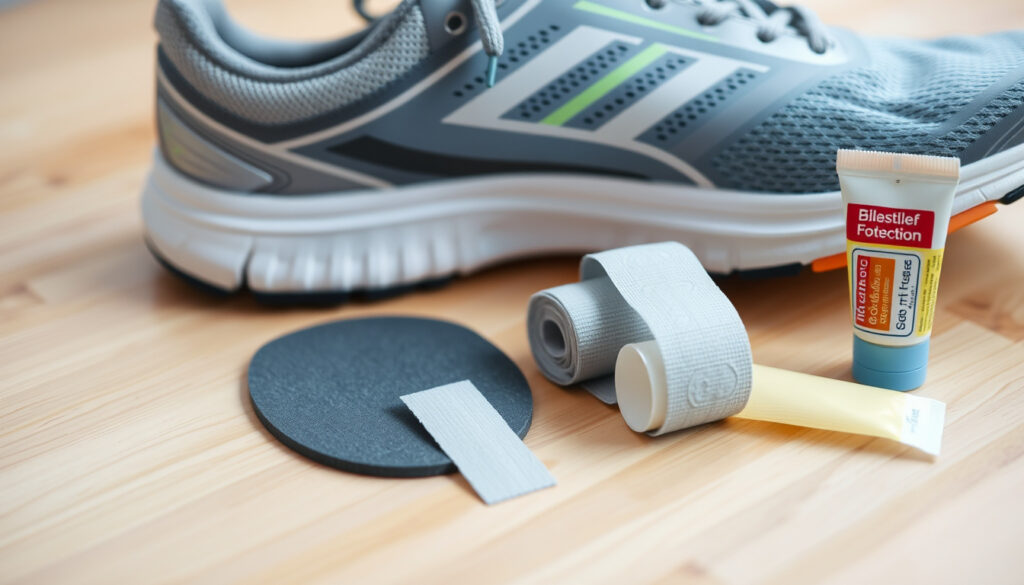
How to Stop Shoes from Blistering: Prevention & Aftercare Guide
Anyone who has ever laced up a pair of new shoes only to hobble home with a raw heel knows that blister is more than a nuisance—it’s a motivation killer, and whether you’re breaking in stiff leather, training for a race, or just trying to get through a day without wincing, the right prevention and care routine makes all the difference. This guide brings together medical advice and practical tricks so you can manage blisters from first hot spot to full healing.
Healing time: 3 to 7 days ·
Primary cause: Friction and moisture ·
Common location: Back of heel
Quick snapshot
- Wear thick socks and use a hairdryer on tight areas for 20–30 seconds (Cleveland Clinic, an academic medical center)
- Walk short distances at home before full wear (Cleveland Clinic, an academic medical center)
- Try a thin synthetic inner sock under a thick outer sock (Banner Health, a regional healthcare network)
- Use moisture‑wicking materials (merino wool, nylon) (Cleveland Clinic, an academic medical center)
- Vaseline or body glide on friction points (Banner Health, a regional healthcare network)
- ENGO blister patches or moleskin for heels and toes (Mayo Clinic, a leading medical institution)
- Leave intact unless very painful and large (Mayo Clinic, a leading medical institution)
- Cover with hydrocolloid plaster (e.g., Compeed) (Mayo Clinic, a leading medical institution)
Step‑by‑step prevention
- Break in new shoes gradually – wear thick socks indoors for short periods before full use.
- Choose moisture‑wicking socks and consider a two‑sock system for high activity.
- Apply a lubricant or friction‑reducing patch to high‑risk areas before activity.
- At the first sign of a hot spot, apply a hydrocolloid plaster and reduce friction immediately.
Four facts, one common thread: friction is the root cause, and every prevention tactic tackles it from a different angle.
| Fact | Detail |
|---|---|
| Blisters form when | Friction damages the upper layers of skin, causing fluid buildup (Banner Health) |
| Healing typically takes | 3–7 days if left intact (Mayo Clinic) |
| Covering a blister | Reduces pain and risk of infection (Mayo Clinic) |
| Double socks help by | Transferring friction from skin to sock layers (Banner Health) |
How do I stop my shoes from giving me blisters?
A single hot spot ignored can sideline you for days. Catching it early is easier than treating a full blister.
Break in new shoes gradually
- Wear thick socks while walking around the house in new shoes for 15–30 minutes daily, as recommended by the Cleveland Clinic, an academic medical center.
- Use a hairdryer on tight spots for 20–30 seconds to soften the material, then flex the shoe.
- Stuff shoes with wet newspaper for several hours to stretch them gently.
Use blister-resistant socks
- Moisture-wicking socks (merino wool, synthetic blends) keep feet drier than cotton, according to Cleveland Clinic.
- A two-sock system—thin liner plus thick outer sock—reduces friction during long runs or hikes (Banner Health).
Apply friction-reducing products
- Vaseline or body glide applied to high-friction zones before activity can reduce chafing.
- ENGO blister patches provide a low-friction coating, while moleskin (cut in a donut shape) offloads pressure (Mayo Clinic).
Protect high-risk areas with patches
- Athletic tape or duct tape can be applied preventively on spots that tend to blister (Mayo Clinic).
- Heel grips inside shoes reduce slipping, a major cause of rear-foot blisters.
The pattern: friction is mechanical, and every prevention method either reduces friction, wicks moisture, or pads the skin. The trick is choosing the right combination for your shoe and activity.
Does putting Vaseline on feet prevent blisters?
Petroleum jelly reduces friction but, if used heavily, can trap sweat and increase moisture—which also softens skin and raises blister risk.
How petroleum jelly reduces friction
Vaseline acts as a lubricant between skin and sock, lowering shear forces that cause blisters. The Banner Health team notes that keeping feet dry is critical, so petroleum jelly works best on dry skin before activity.
Application best practices
- Apply a thin layer to clean, dry heels, toes, and other friction zones.
- Reapply after prolonged sweating or water exposure.
- Avoid thick coats—a dab the size of a pea per foot is enough.
Limitations and alternatives
- Vaseline is not a substitute for properly fitted shoes or moisture-wicking socks.
- Some athletes prefer specialized balms like Body Glide, which are less greasy and contain antifungal ingredients.
- The Cleveland Clinic suggests using a drying agent (e.g., antiperspirant spray) on feet before exercise to reduce sweat—a different tactic than lubrication.
The implication: Vaseline is a handy short-term fix but not a standalone strategy. Its effectiveness varies by skin type and activity intensity.
Do double socks help prevent blisters?
Benefits of a thin inner sock and thick outer sock
Two layers shift friction from the skin to the fabric‑to‑fabric interface. According to Banner Health, a thin nylon liner under a thick wool or synthetic outer sock is a common recommendation for hikers and runners. Reddit communities also endorse this technique for breaking in boots.
Moisture‑wicking properties
Cotton traps moisture, so layers should be made of polyester, nylon, or merino wool. The Cleveland Clinic emphasizes moisture management over layering alone—dry feet matter more than thickness.
Specific products
- Wrightsock double‑layer socks use a built‑in liner that moves with the outer layer.
- Anti‑blister liners (e.g., Injinji toe socks) separate toes to prevent interdigital blisters.
What this means: for high‑duration activities, two socks are proven to reduce blister incidence. But for everyday wear, a single well‑fitting moisture‑wicking sock often suffices.
Should you cover a blister or let it breathe?
When covering is advised
Mayo Clinic recommends covering an intact blister with a bandage or moleskin to protect it from further friction. Covering also reduces pain and lowers infection risk.
When to allow air exposure
Letting a blister breathe may slow healing because the skin remains dry and stiff, increasing the chance of cracking. The Banner Health team advises keeping popped blisters clean and covered—not exposed.
Proper dressing technique
- Use a hydrocolloid plaster (e.g., Compeed) that creates a moist, protective environment.
- Change dressing daily or when it becomes wet or dirty.
- If a blister has popped, clean gently with mild soap and water, apply antibiotic ointment, and cover with a non‑stick bandage.
The catch: the old advice to “let it breathe” is outdated. Modern wound care supports covering to speed healing and prevent infection.
What heals blisters on feet quickly?
Leaving the blister intact
Unbroken blisters heal fastest when left alone. The natural fluid cushions the underlying skin. Mayo Clinic advises to avoid popping unless pain is severe.
Using blister plasters
Hydrocolloid dressings absorb exudate and maintain moisture, which speeds new skin growth. They also cushion the area. Products like Compeed are widely recognized in foot care.
When to drain a blister safely
- Only drain if the blister is large and extremely painful (Mayo Clinic protocol).
- Sterilize a needle with alcohol, prick near the edge, drain, leave the skin roof in place, apply antibiotic ointment, and cover with a non‑stick bandage.
Why this matters: most foot blisters heal in 3–7 days without intervention. The fastest route is patience plus protection.
Confirmed facts
- Friction is the primary cause of blisters from shoes (Banner Health)
- Covering a blister with a bandage or plaster is recommended by medical authorities (Mayo Clinic)
- Double‑layer socks can reduce blister incidence in runners (Banner Health)
- Moisture increases blister risk; dry feet and socks are core prevention (Banner Health)
What’s unclear
- Effectiveness of petroleum jelly varies by individual skin type and activity
- Whether to pop a blister depends on size, pain level, and sterility of environment
For anyone dealing with recurring blisters—runner, hiker, or just breaking in a new dress shoe—the choice is clear: prevent friction, manage moisture, and protect the skin early. The payoff is pain‑free steps and faster recovery.
youtube.com, thefeetpeople.com.au, drscholls.com, oexemanfootandankle.com
Frequently asked questions
How long does it take for a foot blister to heal?
Most intact foot blisters heal within 3–7 days if left undisturbed and covered (Mayo Clinic). Popped blisters may take a few days longer.
Can I exercise with a blister on my foot?
It depends on the blister’s location and size. Cover it with a hydrocolloid plaster, reduce friction with proper socks, and avoid high‑impact activity if pain persists.
What is the best blister plaster for heels?
Hydrocolloid plasters such as Compeed are widely recommended because they cushion, absorb moisture, and stay on during activity.
Do gel insoles help prevent blisters?
Gel insoles can reduce impact but may increase friction if they cause the foot to slide. They are best combined with heel grips and moisture‑wicking socks.
Should I break in new shoes at home before wearing them outside?
Yes. Wearing new shoes for short periods indoors with thick socks allows the materials to conform gradually, reducing blister risk (Cleveland Clinic).
How can I stop my shoes from rubbing the back of my ankle?
Try heel grips, moleskin patches, or an ENGO patch applied to the inside of the shoe. Tighten the laces slightly to reduce heel lift.
Are there specific socks for people who get blisters easily?
Double‑layer socks like Wrightsock, toe socks (Injinji), and merino wool socks are designed to reduce friction and manage moisture.
Related reading: How to Stop Overthinking: Effective Techniques and Insights · Waist to Hip Ratio: Calculator, Optimal Levels & How to Measure
More related posts
 Lucy Shimmers and the Prince of Peace: Ending & Plot Explained
 Ang Mo Kio Swimming Complex (Now Teck Ghee): Guide
 iPhone 17 Pro Colors: Cosmic Orange, Deep Blue & Silver
 Personal Accident Insurance Coverage – Benefits, Exclusions, Claims Guide
 201D Tampines Street 21 Guide: Shops, Food & Nearby Hawkers
 Singapore to Bangkok Flights: Time, Cost & Essential Tips
 100,000 Rupiah to SGD: Convert IDR to Singapore Dollar
 Tan See Leng GRC: Chua Chu Kang Role, Career & Background
