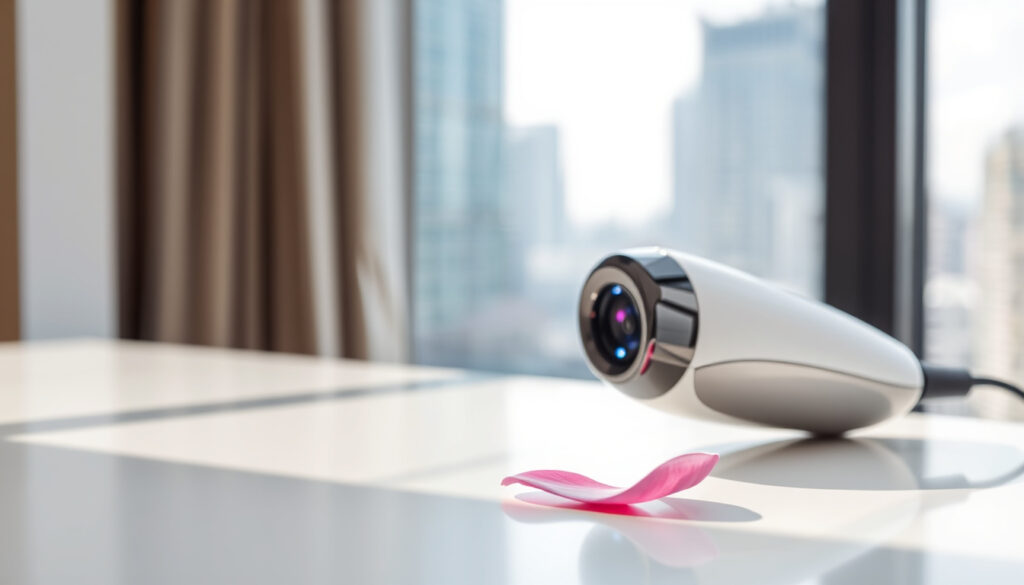
IPL Hair Removal Singapore: Cost, Effectiveness & Downsides
There’s a reason IPL hair removal has become the go‑to for Singaporeans tired of shaving in the tropics: the humidity turns daily shaving into a chore, and waxing is a painful monthly commitment. IPL promises a longer break between sessions, but with clinic prices ranging from S$80 to S$200 per session and at‑home devices costing S$200 to S$600, the real question is which option gives you the best value — and results — in 2026.
Average cost per session in Singapore: S$80–S$200 ·
Typical number of sessions needed: 6–10 ·
Hair reduction rate with full course: up to 90% ·
At‑home IPL device cost: S$200–S$600 ·
Common side effect risk: Mild redness or burns
Quick snapshot
- IPL does not permanently remove hair but reduces growth — typically 6–12 sessions are needed (SingSaver (Singapore personal finance guide))
- IPL is less effective on light‑coloured hair (Bio Aesthetic (Singapore clinic))
- Exact long‑term hair regrowth rate after stopping IPL
- Whether home devices are as effective as salon devices for all body areas
- Optimal number of sessions for pubic hair removal
- Whether moles must always be covered or avoided during treatment — individual risk varies
- Maintenance sessions every 6–12 months after initial course (Bio Aesthetic)
- 2026 may bring more affordable home devices with higher power (Bio Aesthetic)
| Label | Value |
|---|---|
| IPL full form | Intense Pulsed Light |
| FDA clearance | FDA approved for hair reduction |
| Typical session interval | 4–6 weeks |
| Common brand in SG | Braun, Philips Lumea |
How much does IPL cost in Singapore?
Cost per session at salons
Salon IPL pricing in Singapore varies widely by area and clinic. According to SingSaver (Singapore personal finance comparison site), session costs can range from as low as S$1.98 per shot at Japan IPL Express to S$20 for six underarm and bikini sessions at Musee Platinum Tokyo, or S$168 for lifetime underarm IPL at Regina (new customers only). A more premium clinic like Strip Singapore charges from S$600 for 10 sessions. Bio Aesthetic (Singapore clinic) reports prices between S$38 and S$100 per area, depending on size, with sessions lasting 10–15 minutes.
Package deals and promotions
Many clinics offer multi‑session packages that cut per‑session costs significantly. SingSaver estimates that a full‑body course using Japan IPL Express shot pricing could run about S$600 per session, or S$7,200 for 12 sessions — a figure that underscores why package deals are common. Consumers should check for new‑customer promotions, which can slash initial costs.
At‑home device costs
At‑home IPL devices are a one‑time purchase. SingSaver lists popular models in Singapore: Philips Lumea Advanced at S$445, SmoothSkin Pure at S$417, and Silk’n Infinity at S$342. These range from roughly S$200 to S$500, making them cheaper upfront than most salon packages, though they may require more sessions to achieve similar results.
A S$400 home device will pay for itself after 2–5 salon sessions. But salon devices deliver higher light energy per pulse, which may mean fewer sessions overall — the real savings depend on your consistency and treatment area.
The pattern: At‑home devices are cheaper per treatment course, but salon packages can deliver faster results. Your choice hinges on whether you value time or money more.
IPL Hair Removal in Singapore: Is It Still the Best Option in 2026?
IPL vs laser hair removal
Laser uses a single wavelength of light that targets melanin more precisely, while IPL emits a broad spectrum. For dark hair on light skin, both can be effective, but laser is generally considered more effective for permanent reduction. SingSaver notes that IPL requires 10‑12 sessions for long‑lasting results, while laser typically requires 6‑8 sessions. In Singapore, laser per‑session costs are higher (S$150–S$400), but total cost over a full course can be comparable.
IPL vs waxing and sugaring
Waxing and sugaring are temporary (3–6 weeks of regrowth) and can be painful. Over a decade, regular waxing can cost S$5,000–S$10,000 — versus S$1,000–S$4,000 for an IPL course or S$400 for a home device. The trade‑off: waxing removes hair instantly, while IPL takes months to show reduction.
Advancements in IPL technology
2026 sees more powerful home devices with skin‑tone sensors and larger treatment windows. Brands like Philips and Braun have updated models with longer lamp life and faster flash speeds. However, no device yet matches the energy density of salon‑grade IPL or SHR (Super Hair Removal) machines.
Why this matters: For light‑skinned Singaporeans with dark hair, IPL remains a strong cost‑effective option. But for those with lighter hair or darker skin, laser or electrolysis may be the better path — a point often missed in commercial comparisons.
Will IPL permanently remove hair?
Permanent reduction vs permanent removal
IPL is FDA‑cleared for “permanent reduction,” not removal. According to Bio Aesthetic, it can eliminate up to 70% of hair from the targeted area, with results lasting 6–12 months. Regrowth is finer and lighter, but maintenance sessions are typically needed every 6–12 months.
Can IPL remove all pubic hair?
IPL can reduce pubic hair significantly, but complete removal is unlikely. The area’s dense hair and darker skin (for many individuals) make it challenging. SingSaver’s clinic examples include bikini‑line treatments, but full Brazilian removal often requires more sessions and carries a higher risk of burns due to the sensitive skin.
Long‑term results and maintenance
After an initial course of 6–12 sessions, users typically need touch‑ups once or twice a year. A Reddit user on r/askSingapore shared: “After 1–2 years it still working” — an anecdote that mirrors the experience of many who use home IPL devices consistently.
IPL stops hair growth for months at a time, but it’s not a one‑and‑done solution. Anyone expecting zero regrowth after 12 sessions will be disappointed. Realistic expectations: 70–90% reduction with annual maintenance.
The trade‑off: IPL offers long‑term hair reduction, not permanent removal. For Singaporeans who want to stop thinking about hair forever, electrolysis is the only FDA‑approved permanent solution — but it’s costly and time‑consuming per area.
Can I use IPL if I have moles?
Risks of using IPL on moles
IPL should not be applied directly over moles, tattoos, or extremely dark spots. The light energy is absorbed by the melanin in the mole, which can cause burns, blistering, or changes in the mole’s appearance — potentially masking skin cancer warnings. Dermatologists universally advise covering moles with a white pencil or tape before treatment.
Mole removal options before IPL
If you have moles in the treatment area, a dermatologist can assess whether they are benign and, if needed, remove them professionally before IPL. In Singapore, mole removal costs S$200–S$600 per mole at private clinics, and some aesthetic clinics offer this as an add‑on service.
What Korean dermatologists recommend
Korean dermatology guidelines, often cited by clinics in Singapore, suggest that IPL is safe for areas without moles, but a pre‑treatment check with a medical professional is essential. The Bio Aesthetic clinic includes mole assessment as part of its initial consultation.
The catch: IPL over a mole is dangerous. If you have many moles, consider laser hair removal (which can be tuned to avoid melanin‑rich lesions) or electrolysis instead.
What is the downside of IPL?
Side effects and risks
The most common side effects are temporary redness and mild swelling. However, burns, blisters, and hyperpigmentation can occur, especially on darker skin or if the device is used incorrectly. SingSaver notes that at‑home devices have lower energy and lower risk, but user error — such as flashing the same spot twice — can still cause burns.
Cost vs results
Initial investment can be high, and results vary. Some users see little change after 10 sessions, while others achieve 90% reduction. The cost of unlimited packages (like Regina’s S$168 lifetime underarm) is attractive but may not include all areas. Full‑body courses can exceed S$7,000, which is more expensive than laser if the IPL doesn’t work well for your hair type.
Not suitable for all skin and hair types
IPL works best on light skin (Fitzpatrick types I–III) with dark hair. For Asian skin (common in Singapore, types III–IV), IPL can be effective but requires careful energy settings. Blonde, red, grey, or white hair lacks the melanin needed for IPL absorption, so results are minimal to none. Men with coarse, dark hair on light skin often respond well, but facial hair in women may be hormonal and require maintenance.
The paradox: IPL is marketed as a universal hair‑removal solution, but it is actually quite selective. The people who need it most — those with light hair or very dark skin — get the least benefit. Reading the fine print before buying is essential.
Upsides and downsides of IPL hair removal
Upsides
- Long‑lasting reduction after 6–10 sessions
- Cost‑effective compared to years of waxing
- At‑home devices allow convenient maintenance
- Works well on common Singapore skin/hair types (dark hair, light‑to‑olive skin)
Downsides
- Not permanent — maintenance needed every 6–12 months
- Ineffective on light, red, grey, or white hair
- Risk of burns on moles, tattoos, or tanned skin
- Initial cost of salon packages can be high (S$600–S$7,000)
The pattern: IPL offers significant convenience for the right candidates but requires realistic expectations and consistent maintenance to avoid wasted investment.
How to prepare for IPL hair removal in Singapore: a step‑by‑step guide
- Shave the area 24 hours before treatment. Do not wax or pluck — the hair follicle must be intact for light to target the root.
- Avoid sun exposure and tanning beds for 2 weeks. Tanned skin increases the risk of burns.
- Choose a licensed clinic or verify your home device’s skin‑tone sensor. For clinics, check that the technician is certified (look for certification from the Singapore Hair Removal Association or similar).
- Start with a patch test. Especially for sensitive areas like the face or bikini line.
- Schedule sessions 4–6 weeks apart. Consistency is key — missing sessions delays results.
- After treatment, soothe the skin with aloe vera or a cool compress. Avoid hot showers, gym sessions, and direct sun for 24–48 hours.
The pattern: Proper preparation and aftercare are as important as the treatment itself for achieving safe, effective results.
Salon IPL and laser hair removal in Singapore share some advantages but differ in mechanism, cost, and results. Here’s how the three main options stack up:
| Method | Cost per session (SG) | Number of sessions (typical | Pain level | Results longevity |
|---|---|---|---|---|
| IPL (salon) | S$80–S$200 | 6–12 | Low – moderate | 6–12 months |
| Laser hair removal | S$150–S$400 | 6–8 | Moderate | 1–2 years |
| At‑home IPL | S$200–S$500 (device) | 12–20+ | Low | 3–6 months |
The pattern: Laser offers the longest results but the highest per‑session cost. Home IPL is cheapest per treatment but requires the most sessions. Salon IPL sits in the middle — a balanced option for those who want professional oversight without the laser price tag.
“If you’re on a budget and patient, a home IPL device is a great investment. After 1–2 years it still working.”
— Reddit user on r/askSingapore
“EstheClinic and Japan IPL Express are among the most recommended clinics for IPL in Singapore.”
— Sassy Mama SG article
“We offer unlimited IPL hair removal — the #1 treatment in Singapore.”
— Only Aesthetics clinic
Related reading: Mister Mobile Potong Pasir: Prices, Reviews & Phone Repair · Yio Chu Kang Swimming Lessons: Hours, Fees & Best Age to Start
triabeauty.sg, cosmomedicalspa.sg, youtube.com, lemon8-app.com, goodhousekeeping.com, instyle.com
Those comparing the cost of salon versus at-home treatments in Singapore might benefit from a thorough IPL hair removal guide that covers effectiveness and safety aspects.
Frequently asked questions
Does IPL work on dark skin?
IPL is less effective and riskier on darker skin (Fitzpatrick IV–VI) because the light targets melanin and can cause burns. Many clinics in Singapore use SHR (Super Hair Removal) technology for Asian skin, which is safer. At‑home devices often have skin‑tone sensors that disable the flash on dark skin — check compatibility before buying.
Can I do IPL at home?
Yes. At‑home devices like Philips Lumea and Braun Silk‑expert Pro are widely available in Singapore. They are safe when used according to instructions, but results will be slower than salon treatments. Consistency is key — use it every 4 weeks for at least 6 months.
How long does an IPL session take?
A salon session typically lasts 10–15 minutes per small area (underarms, bikini) and up to 30–45 minutes for full legs. At‑home devices take longer because they cover a smaller area per flash — expect 15–30 minutes per treatment area.
Is IPL safe for men?
Yes, IPL works on male hair as long as it’s dark and the skin is light. Men often need more sessions because their hair is coarser and denser. Avoid using IPL on the scrotum, as the skin is too thin and sensitive.
What should I avoid after IPL treatment?
Avoid sun exposure, hot showers, saunas, and vigorous exercise for 24–48 hours. Do not apply deodorant or perfume on treated areas. Use a gentle moisturiser and sunscreen if the area is exposed.
How does IPL compare to electrolysis?
Electrolysis destroys the hair follicle with a tiny electric current and is FDA‑approved for permanent hair removal. It works on all hair colours and skin types, but it is more painful, expensive per hour (S$80–S$150 per session), and time‑consuming — each hair is treated individually. IPL is quicker and cheaper but not permanent.
Can I shave between IPL sessions?
Yes, shaving is encouraged between sessions. The hair must be shaved (not waxed or plucked) so that the IPL light can reach the follicle. Shave 24–48 hours before your next session.
IPL hair removal offers a realistic middle ground between the constant cycle of shaving and the permanence of electrolysis — in Singapore’s humid climate, that convenience is real. For someone with dark hair and light‑to‑olive skin, a course of 6–10 salon sessions or a S$400 home device can cut daily grooming time by 80% or more. But the downsides are equally real: if you have light hair, sensitive skin, or many moles, IPL is unlikely to satisfy. For the typical Singaporean with dark hair and a medium skin tone, the smart move is a salon package for core areas (underarms, bikini) and an at‑home device for legs and arms — combining professional power with long‑term affordability.
More related posts
 Kopi C Siew Dai: Meaning, Taste, and How to Order in Singapore
 DBS Online Account Opening: Step-by-Step Guide
 Cedar Girls’ Secondary School: History, Motto & Affiliation
 Healthy Dinner Recipes for Two: Easy & Nutritious Meals
 Standard Chartered Near Me: Find Branches, ATMs, Compare HSBC
 Junior Colleges in Singapore: List and Cut-Off Points (2025)
 Apple Store Near Me: Ireland Locations, Hours & Appointments
 Where to Apply an International Driving License in Singapore
