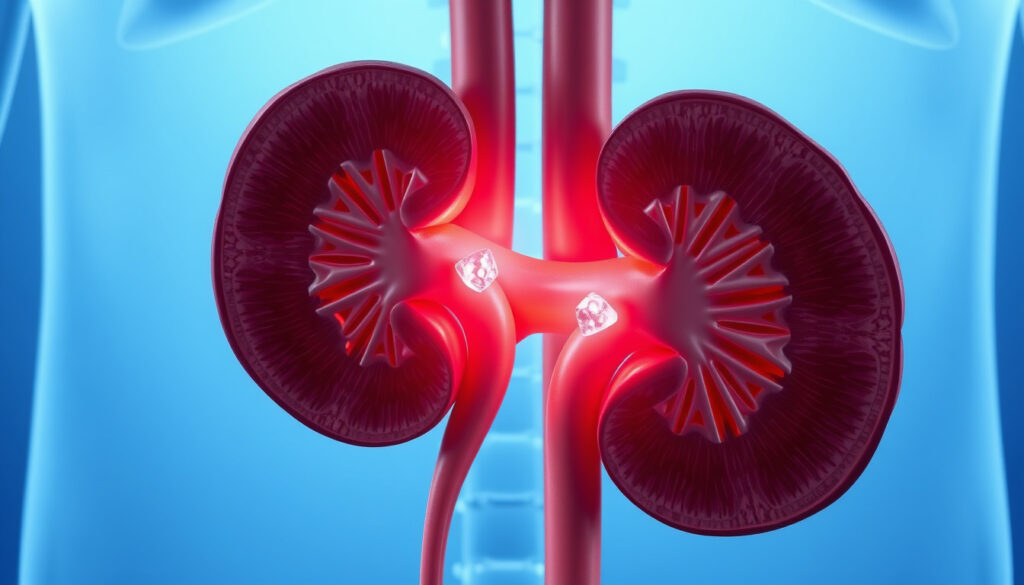
Symptoms of Kidney Stones: Early Signs, Causes, and Relief
That sudden, twisting pain in your side that makes you double over — it’s hard to ignore. For millions each year, that sensation is the first clue that a kidney stone is on the move. This guide walks through the earliest signs, what causes them, and the science-backed steps you can take at home and with a doctor to get relief.
Prevalence: 1 in 10 people develop kidney stones at some point. ·
Recurrence rate: Up to 50% of people have another stone within 5–10 years. ·
Passing rate: Over 90% of stones 4mm or smaller pass spontaneously. ·
Common type: Calcium oxalate stones account for about 80% of cases.
Quick snapshot
- Severe flank pain (Mayo Clinic)
- Nausea and vomiting (NHS)
- Blood in urine (Mayo Clinic)
- Increase water intake (Mayo Clinic)
- Lemon juice may help (NHS)
- Medical options for larger stones (Cleveland Clinic)
- Hydration (Mayo Clinic)
- Low-sodium diet (NHS)
- Limit oxalate foods (Cleveland Clinic)
- Persistent pain (NHS)
- Fever and chills (Mayo Clinic)
- Inability to pass urine (Cleveland Clinic)
Five key stats, one pattern: the smaller the stone, the higher the odds it passes on its own, but the pain can be severe regardless of size.
| Label | Value |
|---|---|
| Most common composition | Calcium oxalate (80%) |
| Typical stone size | 2-5 mm |
| Passage time | 2-3 weeks for small stones |
| Gender prevalence | More common in men |
| Peak age | 30-50 years |
The implication: Knowing the composition and size matters because prevention and treatment strategies shift based on what the stone is made of and how large it grows.
What are the first warning signs of kidney stones?
What does it feel like when a kidney stone starts?
- Severe pain in back, side, lower abdomen, or groin – often comes in waves (Mayo Clinic)
- Pain may fluctuate in intensity (NHS)
- Nausea and vomiting are common (Mayo Clinic)
- Blood in urine (hematuria) (Mayo Clinic)
- Fever and chills if infection present (NHS)
The Mayo Clinic describes kidney stone pain as “sharp, cramping pain in the back and side, often radiating to the lower abdomen and groin.” The NHS adds that men may feel pain in the testicles.
What are the 7 warning signs of kidney stones?
- Flank pain (side and back, below ribs) (Cleveland Clinic)
- Pain radiating to lower abdomen and groin (Mayo Clinic)
- Pain that comes in waves (colicky pain) (Cleveland Clinic)
- Painful urination (burning sensation) (Mayo Clinic)
- Pink, red, or brown urine (Mayo Clinic)
- Nausea and vomiting (NHS)
- Urgent or frequent need to urinate (Cleveland Clinic)
The symptom that most reliably distinguishes a kidney stone from other problems is the wave-like, colicky pain that starts in the flank and moves downward — a pattern shaped by a stone traveling through the ureter.
The pattern: While the list of possible symptoms is long, the hallmark is pain that shifts location and intensity as the stone moves. The NHS notes that very small stones may cause few or no symptoms at all.
How do I check myself for kidney stones?
- At-home signs: pain pattern, urine color, fever (NHS)
- Self-check is not definitive; imaging needed (Mayo Clinic)
- Urinalysis strips can detect blood but not stones (Cleveland Clinic)
How to diagnose kidney stones professionally?
- When to seek medical evaluation: persistent pain, inability to pass urine, fever (NHS)
- Imaging tests (CT scan, ultrasound) confirm presence and size (Mayo Clinic)
- Urinalysis and blood tests check for infection and kidney function (Cleveland Clinic)
The Cleveland Clinic says the most common symptom is lower back, belly, or side pain, also called flank pain. But self-diagnosis carries risk — pain could signal a urinary tract infection, appendicitis, or other conditions that need different treatment.
For anyone trying to decide whether to wait it out or visit the ER: if you have fever, chills, or can’t pass urine, professional imaging is non-negotiable.
The trade-off: At-home checks can spot early clues, but only imaging rules out mimics that require surgery or antibiotics.
What causes kidney stones?
- Dehydration concentrates urine, allowing minerals to crystallize (Mayo Clinic)
- Diet high in sodium, oxalate, or animal protein (NHS)
- Family history increases risk (Mayo Clinic)
- Obesity (Cleveland Clinic)
- Certain medical conditions (e.g., hyperparathyroidism) (Mayo Clinic)
The Mayo Clinic states that stones can form when urine has less water in it. The minerals and salts in urine then stick together into hard crystals. Calcium oxalate stones account for about 80% of cases.
What this means: Dehydration isn’t just a trigger — it’s the most modifiable risk factor. Drinking enough water is the single biggest lever most people can pull to reduce their odds.
How to flush out kidney stones quickly?
- Increase water intake (2-3 liters per day) (NHS)
- Lemon juice (citrate may help) (Mayo Clinic)
- Avoid sugary drinks and alcohol (Cleveland Clinic)
- Medical treatments: alpha blockers, lithotripsy (NHS)
What drink breaks up kidney stones?
- Lemon juice contains citrate, which can help prevent calcium stones (Mayo Clinic)
- Effectiveness of lemon juice vs other citrus is still unclear (NHS)
- Most small stones pass within a few weeks (Cleveland Clinic)
The Cleveland Clinic says a stone smaller than 4 mm may pass within one to two weeks. Larger stones may take about two to three weeks to completely pass. Once a stone reaches the bladder, it usually passes in a few days.
No drink actually dissolves a kidney stone once it’s formed. Citrate in lemon juice may slow new stone formation, but for existing stones, water is the only reliable accelerator.
The pattern: Time and hydration are the main allies for small stones. For anything larger or causing blockage, medical intervention — not home remedies — is the only path.
How to prevent kidney stones?
- Stay hydrated (aim for 2-3 liters of water per day) (Mayo Clinic)
- Reduce sodium intake (NHS)
- Limit oxalate-rich foods (spinach, nuts) if calcium oxalate stones (Mayo Clinic)
- Balance calcium intake (don’t avoid calcium) (Cleveland Clinic)
- Medications if needed (thiazide diuretics, allopurinol) (NHS)
What this means: Prevention isn’t about cutting calcium — it’s about cutting salt and staying hydrated. The NHS emphasizes a low-sodium diet as a cornerstone of prevention.
What could be mistaken for kidney stones?
- Urinary tract infection (UTI) (NHS)
- Appendicitis (Mayo Clinic)
- Gallstones (Cleveland Clinic)
- Back muscle strain (NHS)
- Ectopic pregnancy (women) (Mayo Clinic)
- Shingles (if rash present) (Cleveland Clinic)
The trade-off: Misdiagnosis can lead to unnecessary surgery or missed infections. The Mayo Clinic notes that kidney stone pain often changes location as the stone moves, a clue that distinguishes it from fixed pain sources.
Confirmed Facts
- Pain is the most common symptom (Mayo Clinic)
- Hydration reduces recurrence risk (NHS)
- Stones smaller than 5 mm often pass without intervention (Cleveland Clinic)
What’s unclear
- Effectiveness of lemon juice vs other citrus (NHS)
- Role of vitamin C supplements in stone formation (Mayo Clinic)
Kidney stone pain is described as ‘sharp, cramping pain in the back and side, often radiating to the lower abdomen and groin.’
Mayo Clinic
Small kidney stones may not cause symptoms and are often found during tests for other conditions.
NHS
Nausea and vomiting are common accompanying symptoms due to the severe pain.
For anyone who’s ever woken up with that flank pain, the choice is clear: stay hydrated, watch for blood in the urine, and if fever or inability to pass urine appears, seek emergency care immediately.
khccares.com, urologic.com, michiganurology.com, normanurology.com, youtube.com
Recognizing the early warning signs of kidney stones early can help you seek timely relief and avoid complications.
Frequently asked questions
Can kidney stones cause back pain?
Yes. The Mayo Clinic notes that kidney stone pain often starts in the side and back below the ribs, and can spread to the lower stomach and groin as the stone moves.
Do kidney stones always cause blood in urine?
No. While blood in urine is a common symptom, small stones may cause no symptoms at all. The NHS says very small stones can pass painlessly.
Is it possible to have kidney stones without pain?
Yes. The NHS states that small kidney stones may not cause symptoms and are often found during tests for other conditions.
How long does it take to pass a kidney stone?
The Cleveland Clinic says a stone smaller than 4 mm may pass in one to two weeks. Larger stones can take two to three weeks, and once in the bladder, it usually passes in a few days.
What does kidney stone pain feel like vs UTI?
Kidney stone pain is typically colicky (waves of intense pain) in the flank, while UTI pain is often a persistent burning sensation during urination. Both conditions share symptoms, so a proper diagnosis is important.
Can kidney stones cause fever?
Yes. Fever and chills can occur if the stone causes a urinary tract infection. The NHS lists this as a warning sign that requires immediate medical attention.
More related posts
 Gardens by the Bay Parking: Rates, Free Times & Tips
 Fantastic Four: First Steps Post-Credit Scenes Explained (2025)
 What Is the Gulf Stream? Simple Explanation & Facts
 12 Days of Christmas Lyrics: Meaning, History & 364 Gifts
 BLACKPINK World Tour 2025: Full Schedule and Tickets
 Multi Storey Car Park – Design Benefits Safety Explained
 How to Organize a Laundry Room: Tips, Must-Haves, and Steps
 Best English to Chinese Translation Tools Compared (2026)
